

An Interview With Yoga Therapist Isabella Ciocca: Tools for Stress, Anxiety, and Big Transitions

Updated: Aug 15
Some people find yoga through fitness. Others discover it when life gets shaky and they need something to help them feel steady again. That’s how Isabella Ciocca found it.
Isabella is a certified Yoga Therapist (C-IAYT) with over 500 hours of Yoga Teacher Training completed in India and Dubai. Born and raised in Italy, she has spent many years living abroad. Now, she runs her own studio in Dubai, where she works with individuals and groups using a therapeutic approach to yoga.
When we spoke, what came through most wasn’t trendy wellness talk. It was the reality of working with people who are constantly adapting, especially expats and third-culture kids.
From Expat Life to Yoga Therapy
Living abroad shaped Isabella’s personal and professional journey. Exposure to different cultures and ways of living taught her adaptability. It also gave her a broader view of how people relate to their bodies, health, and sense of balance. Her move toward yoga therapy started as something personal: a search for grounding during times of transition. Over time, yoga became more than a practice. She trained first as a yoga teacher and then as a yoga therapist. She wanted to explore how yoga can be used therapeutically to support people with specific challenges, including emotional and psychosomatic issues.
What She Sees Most in Expats and TCKs
When I asked Isabella what tends to come up most often for expats and third-culture kids, she didn’t hesitate: identity, belonging, and transition.
Living between cultures can be enriching. However, it can also come with a quiet sense of instability. People sometimes describe it as feeling in-between worlds, not fully belonging anywhere.
Isabella explained that this can manifest emotionally as:
Anxiety
Loneliness
Difficulty building deep, lasting connections
Stress from uncertainty
Pressure to adapt quickly
Disconnection from the body
Burnout
Big changes, such as moving to a new country, starting a new school, or adjusting to a new environment, can intensify these feelings. This is especially true when life asks you to be “fine” while your system is still catching up.
How Yoga Therapy Supports People During Change
One thing Isabella explained in a grounded way is that yoga therapy helps because it works with both the mind and the body. Transitions often trigger uncertainty, loss of routine, and heightened anxiety. Yoga therapy offers tools to create stability from the inside when the outside feels unfamiliar.
Her approach includes:
Breathwork to calm the nervous system and reduce stress
Movement to release tension and regain balance
Mindfulness and Relaxation to build presence and resilience
Instead of feeling overwhelmed by change, people begin to access a deeper sense of grounding within themselves. One of the most powerful ideas she shared was this: when external circumstances feel unpredictable, having practices you can carry anywhere becomes a form of inner “home.”
“Sometimes small, consistent practices make the biggest difference in how we experience change.” - Isabella Ciocca
A Real Story of Change and Anxiety
Isabella shared a story (without names) about a young expat who had just moved to a new country. She was struggling with anxiety and sleep issues. The transition left her feeling isolated, overwhelmed, and physically tense. She described it as carrying a constant knot inside.
They started small, with gentle breathing techniques and grounding practices. This was because she didn’t have the energy or focus for anything demanding. Over time, as she learned to regulate her breath and calm her nervous system, she began to feel more in control. Gradually, they added mindful movement and relaxation tailored to her needs.
After a few weeks, she was sleeping better and felt more at ease in her new environment. What mattered most was realizing she could create calm and stability within herself, even while everything around her still felt uncertain.
Simple Grounding Tools for Kids and Teens
For kids and teens, Isabella recommends simple practices that are easy to remember and don’t feel overwhelming:
1) Balloon Breathing: Sit or stand, place your hands on your belly, and imagine inflating a balloon with each inhale. Then, slowly deflate it on the exhale.
2) Grounding Pose (Mountain Pose): Stand with your feet firm on the floor. Soften your gaze or close your eyes if comfortable. Imagine roots growing down into the earth. This is great before meeting new people or entering a new situation.
3) Forward Fold: Bend forward and let your head hang. This can release tension and feel like a reset.
4) Shake It Out: Shake your arms, legs, or whole body for about 30 seconds to release pent-up stress or nervous energy.
What I’m Taking From This
A lot of expat and TCK mental health advice stays in the head: mindset, perspective, gratitude, positivity. Those things can matter, but Isabella’s work is a reminder that the body needs support, too. When your life changes often, your nervous system is doing a lot of work in the background. Having small tools that you can actually use in real moments can make transitions feel less overwhelming.
For more information about Isabella Ciocca, visit isayogatherapy.com.


Isabella Ciocca Breathing Exercise for stress 
Yoga therapy for anxiety 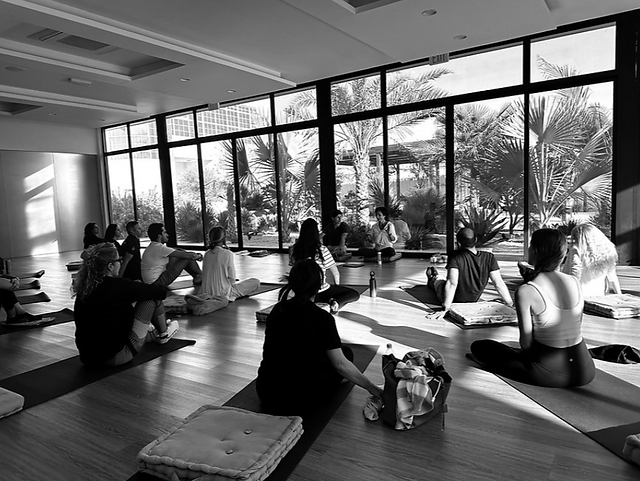
Somatic Yoga for Mental Health TCK
Comments